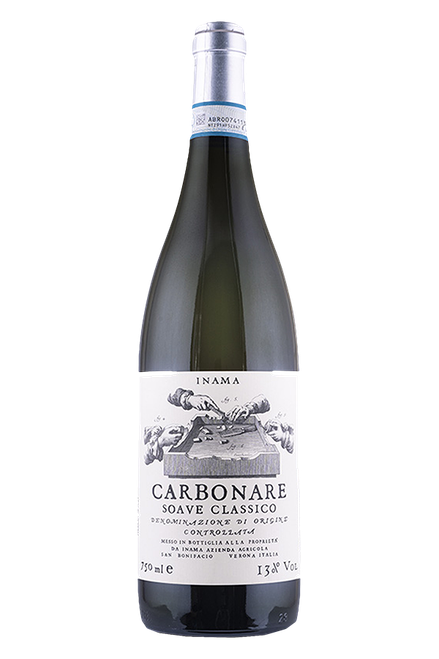
Palate
Garganega confers floral complexity with notes of white flowers, chamomile, citrus and flinty sensations.
Vinification
Once the grapes arrived at the winery, the bunches were destalked and then processed using a "non-reductive" method, so without any addition of SO2: the indigenous microflora was therefore able to develop and give its character to the must. Eight hours of skin maceration optimised this process. Then only the free-run must was selected which, after a 24 hours static settling, was racked into first and second-passage barriques (60%) and large casks (40%), where it completed its alcoholic fermentation by using neutral selected yeasts not to affect the wine profile. Ageing lasted 6 months, during which b√¢tonnage was carried out periodically, and then the wine was transferred into stainless steel tanks.
Range Notes
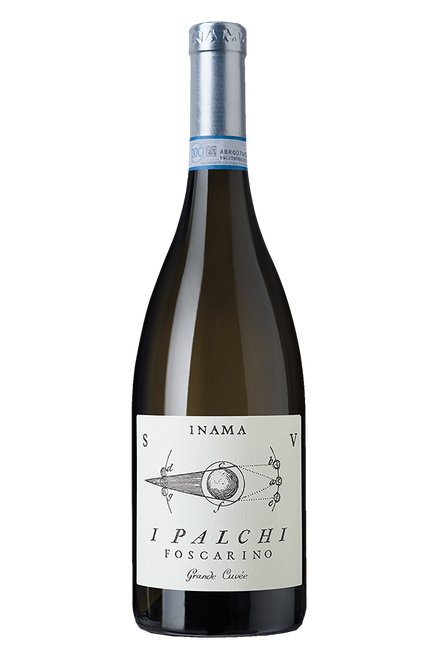
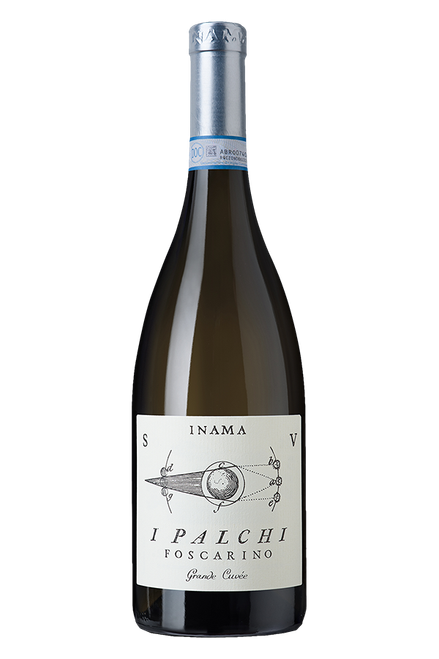
“I Palchi” is a geographical term used to indicate a series of wide terraces, lined with pergolas of old Garganega vines, located on Monte Foscarino (Soave Classico area). From these, since 2019 - thanks to their optimum exposition and meticulous vineyard management - we have obtained a special selection of outstanding grapes. The Soave Classico here produced, immediately revealed itself to be a unique wine: a new label was born.
Vintage Notes
After a cold, dry winter, the spring of 2019 was marked by uncommon temperature gap and above-average rainfall, which regenerated the water reserves in our soil. This led to a slight delay in the vegetative development of the vines and in the subsequent stages of bud growth and fruit set. Also, the notable incidence of peronospora forced us to carry out timely and targeted operations to protect the vines. The situation drastically changed at the end of May when, on the other hand, an increase in temperatures and sunny weather favoured a vegetative boost. July and August were hot but not unduly so; moreover, sporadic rain showers provided both respite from the heat and water reserves: the vines therefore continued to develop, recovering part of the delay accumulated at the beginning of the growing cycle. The weather was ideal in September and October, the period when the grapes’ aromas evolve and their tannins become more refined: mild, dry months characterised though, by good temperature shifts between day and night.